For practitioners who already drink tea daily, deciding exactly what to brew before the mat, after *yin*, or before sleep
A quiet community where Chinese tea meets the mat, the breath, and the morning
tea.yoga is a small, slow gathering of yogis, *acharyas*, and Chinese tea drinkers comparing notes on what to brew before *sūrya namaskāra*, what settles after *yin*, and how *Shēng Pǔ'ěr* (生普洱) behaves during long sits. No urgency, no health claims — only practitioner field notes from real cushions, real teapots.
5
tea experts guiding practice notes
12
open threads on tea and practice
4
running cohorts
8
events on the retreat calendar
Pairing finder
What to brew for this moment
Choose where you are in the practice — the compass gives one tea, the reason, and where to find it. No numbers, no dosages, just field notes from the threads below. Open the full compass →
Morning warm-up · sun salutations
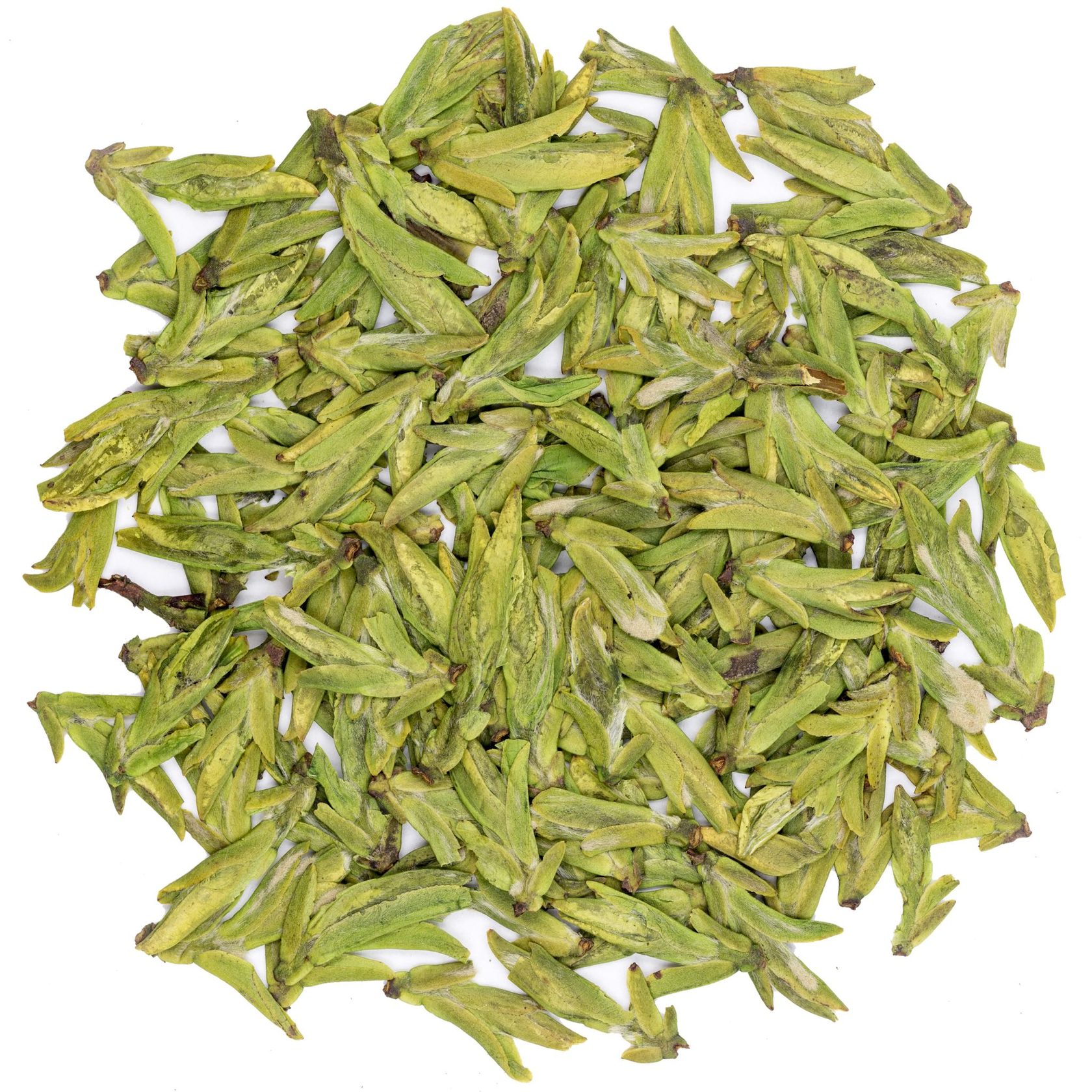
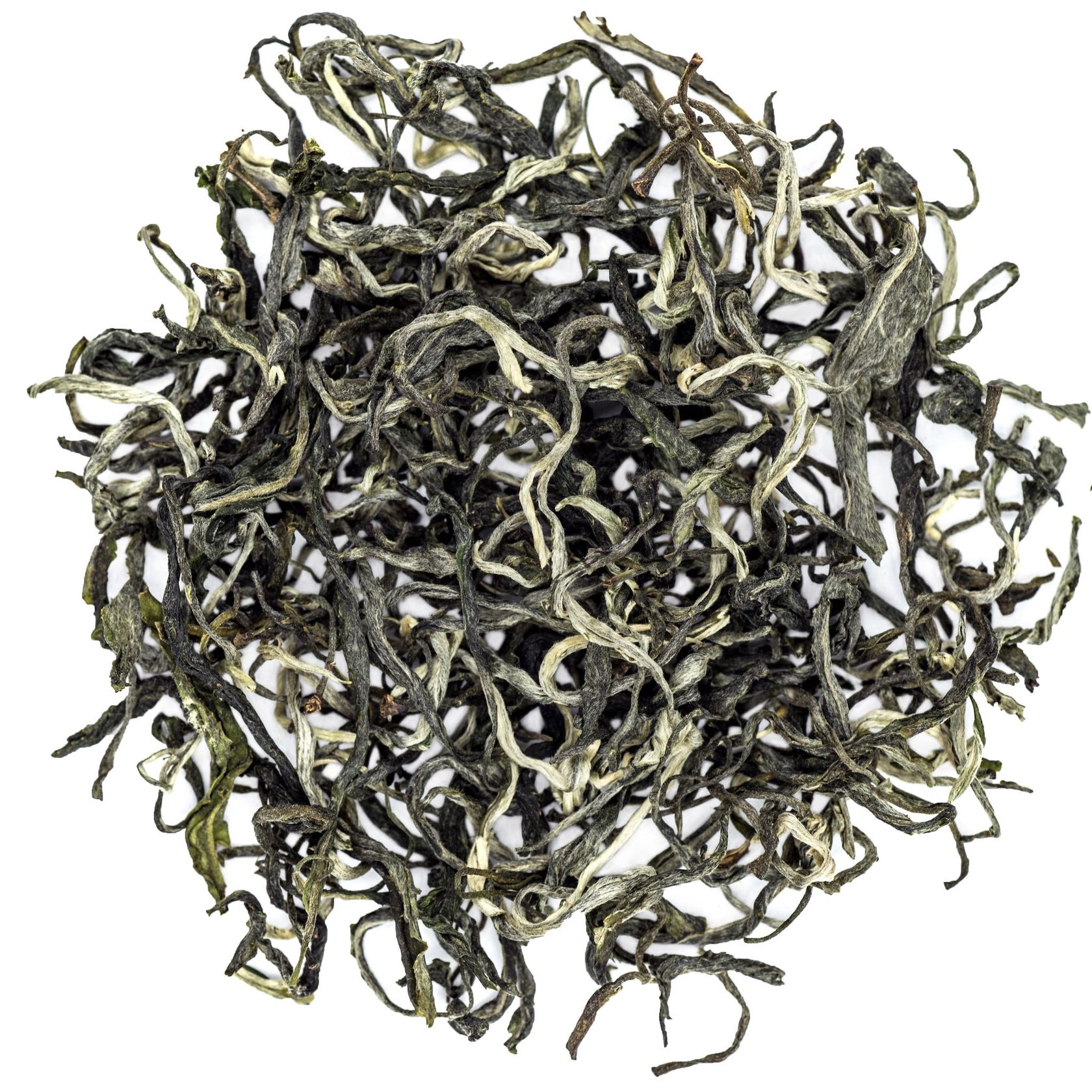
green
West Lake Dragon Well
A well-made Lóng Jǐng carries an unusually gentle l-theanine-to-caffeine balance across a short session — several Mysore teachers have switched to it for exactly this reason, because the lift arrives without the jolt a shot of coffee brings before the mat.
From the thread — Caffeine and pranayama — does the order matter?Nāḍī śodhana · kapālabhāti
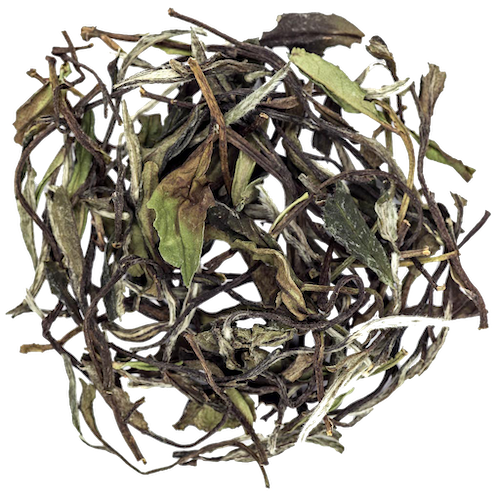
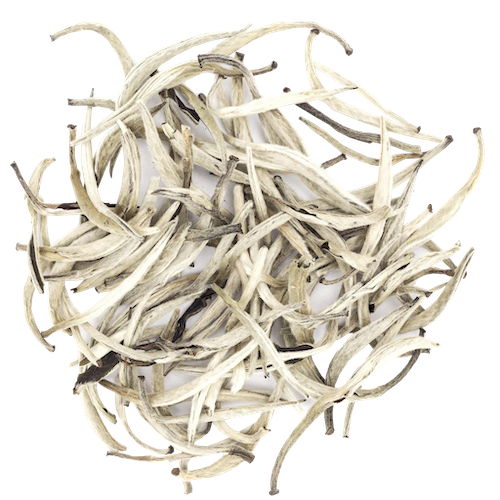
white
Gong Mei Pearls
Warming without being activating — teachers in Goa reach for a light white tea in the calm half-hour after kapālabhāti, when the stomach needs settling but the breath still needs quiet.
From the thread — Tea before or after asana — what people actually doLong holds · passive stretches
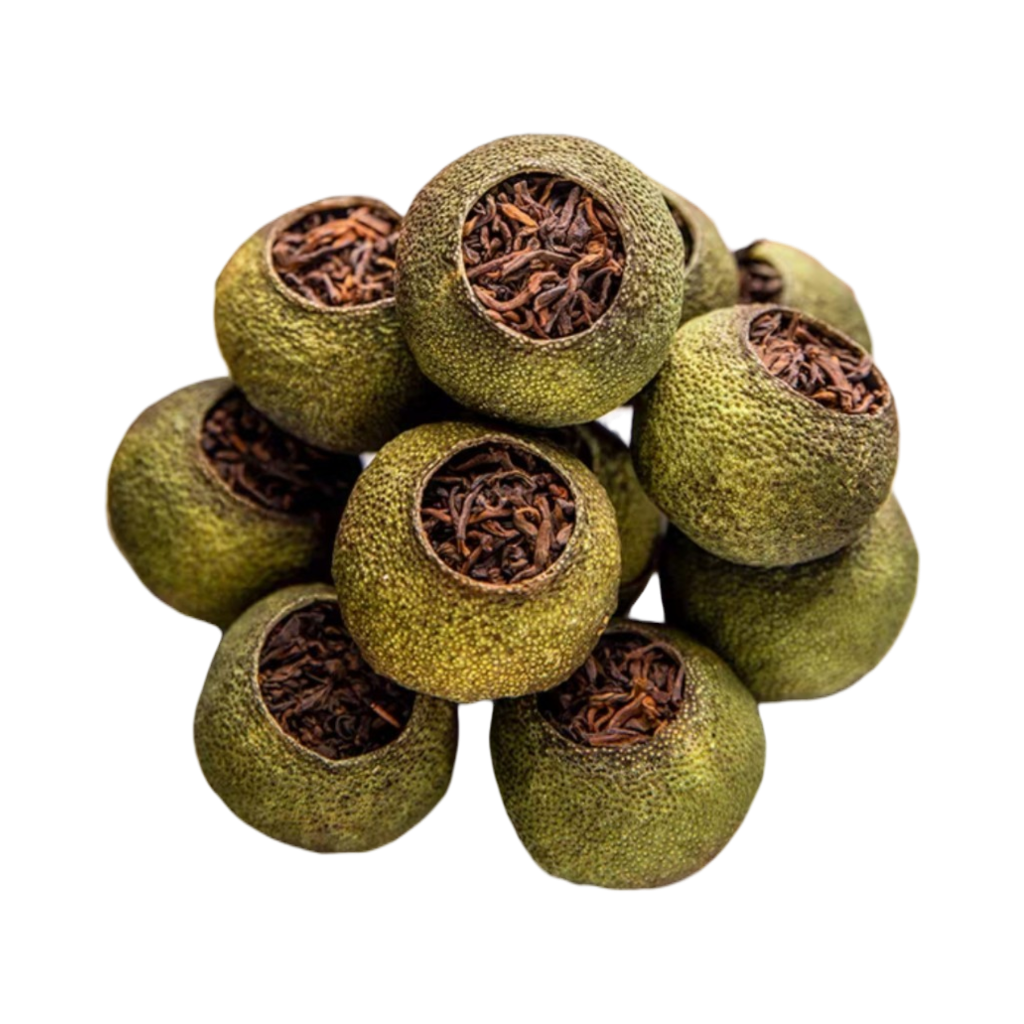
puerh
Green Tangerine Pu-erh
Yin asks the nervous system to downshift — an aged, mellow pu-erh grounds rather than brightens, honouring a settle that a long-held passive stretch has already begun rather than lifting you back into an active, perceptive state.
From the thread — Yin yoga and the case for aged white teaPost-practice recovery
puerh
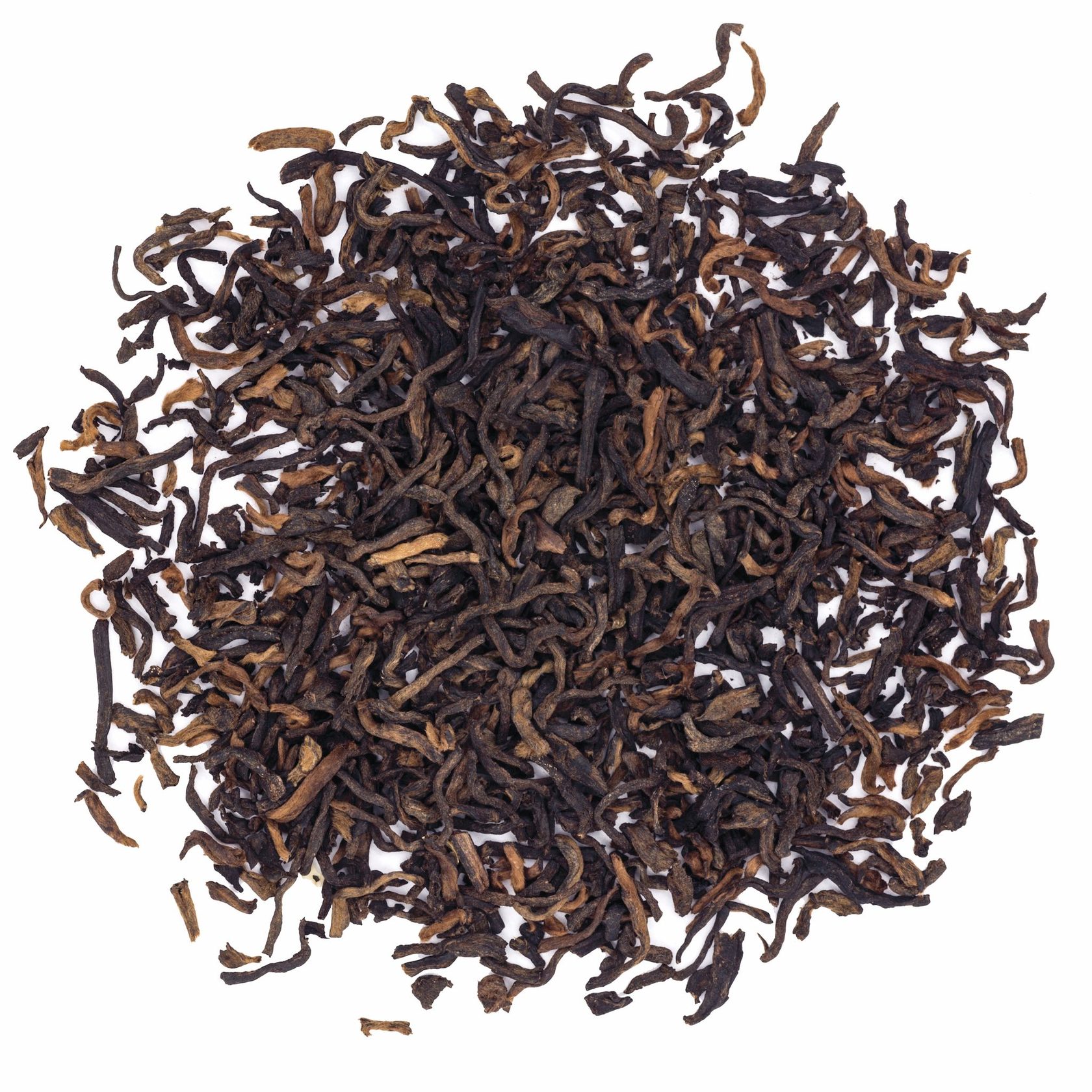
Imperial Pu-erh (Gong Ting)
Shú pǔ'ěr is the recovery anchor Ashtangis reach for most often after a hard Mysore set — mellow, low on acidity, and steady enough to hold through the last hour before sleep without pulling you back into alertness.
From the thread — Ashtanga and shu pu'er — the recovery-tea pairing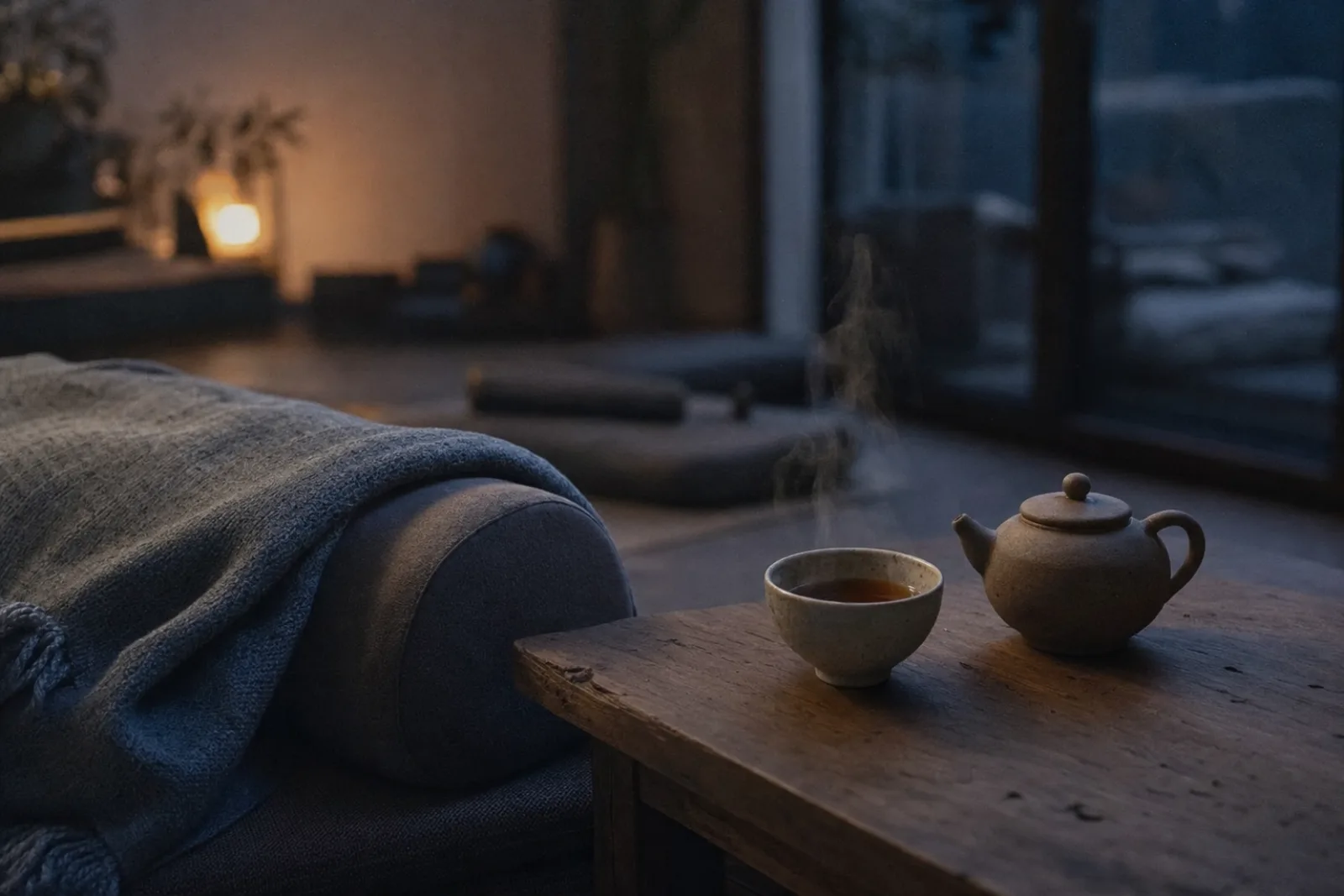
From the community
Recent discussions
- — 01
Aged sheng for evening restoratives
Notes from twenty years of brewing aged *Shēng Pǔ'ěr* (生普洱) for the slow hours after sundown — leaf weights, water discipline, and where the long-rest tradition still holds.
- — 02
Ashtanga and shu pu'er — the recovery-tea pairing
For Ashtangis building fire in the early morning, the post-practice window asks for deep restoration. Amgalan Chin opens a conversation about shu pu'er as a grounding anchor — sharing his own routine from Buryatia, discussing temperature, cake choice, and the breath work that follows.
- — 03
Ayurveda meets Chinese tea — dosha and category
A space for practitioners to share how the six Chinese tea categories resonate with the three doshas — vata, pitta, kapha. No rigid rules, just thoughtful observation from both tea and yoga traditions.
- — 04
Caffeine and pranayama — does the order matter?
A field note from teaching rooms in Mysore, Goa and Ulan-Ude on whether you should sip before *nāḍī śodhana* or wait until the breath has settled — and what the tea itself has to say about timing.
- — 05
Gongfu cha as a meditation anchor
Some members sit with breath. Some sit with a kettle. This thread compares *gōngfū chá* (功夫茶) as a focal point against other contemplative anchors — across five-minute and twenty-minute formats.
- — 06
Tea and hydration — myth, marketing, or measurable
An honest look at what tea actually does for hydration during a yoga practice. Where the research holds, where it bends, and what eight weeks of cups in a Hunan studio actually taught my own body.
- — 07
Morning mantra recitation and máo chá
A practitioner’s reflection on weaving the sharp clarity of young sheng máo chá into early-morning mantra sessions. We explore how cultivar choice, brewing pace, and room atmosphere can shift the quality of sound and silence.
- — 08
When tea practice becomes another addiction
A candid thread exploring the moment tea shifts from a grounding ritual to a subtle craving — where chasing the next rare cake or perfect brew replaces the very presence it was meant to deepen.
- — 09
Silent retreat tea protocols
A space for retreat holders, facilitators, and practitioners to exchange tea rituals that thrive in silence — choosing leaves, adjusting ratios, and pouring without a word.
- — 10
Tea before or after asana — what people actually do
Members weigh in on the old question — empty-stomach *Shēng Pǔ'ěr* (生普洱) before sun salutations, or aged white tea once the body has settled. Field notes from practitioners, not prescriptions.
Groups
4 active cohorts
Ashtanga + tea — six-month cohort
A structured six‑month exploration for established Ashtanga practitioners, weaving sheng pu’er into your morning sadhana and oolong into your post‑practice ritual. Under the guidance of Amgalan Chin, cross‑regional tea expert and specialist in aged pu‑erh, we move slowly, deliberately — one steep, one breath, one series at a time.
Ayurveda + tea quarterly cohort
A thirteen-week journey into the intersection of Ayurvedic wisdom and Chinese tea. Under the guidance of senior tea expert Chen Hui Yi, discover how teas from delicate white to grounding shou puerh can support your dosha. Includes personal assessment, weekly live sessions, and curated tea shipments.
Eight-week morning practice — yoga + tea
An eight-week morning cohort pairing sixty minutes of asana with a gongfu session led by Chen Hui Yi. Six Chinese teas, twenty-four seats, leaf shipped to your door.
Yin yoga + aged tea — twelve weeks
A twelve-week immersion for practitioners drawn to stillness. Each week pairs a guided yin yoga session with a carefully chosen aged tea — Fuding white teas rested a decade or more, and shu pu'er post-fermented into earthy calm. Held by Chen Hui Yi, with monthly tea deliveries to your door.