Silent residential retreat
Silent retreat — aged tea, breath, no phones
Four days of silence in the Georgian Caucasus, one aged Chinese tea per day, dawn prānāyāma and dusk restoratives. Phones surrendered at intake, returned at departure.
- When
- 2026-10-04
- Where
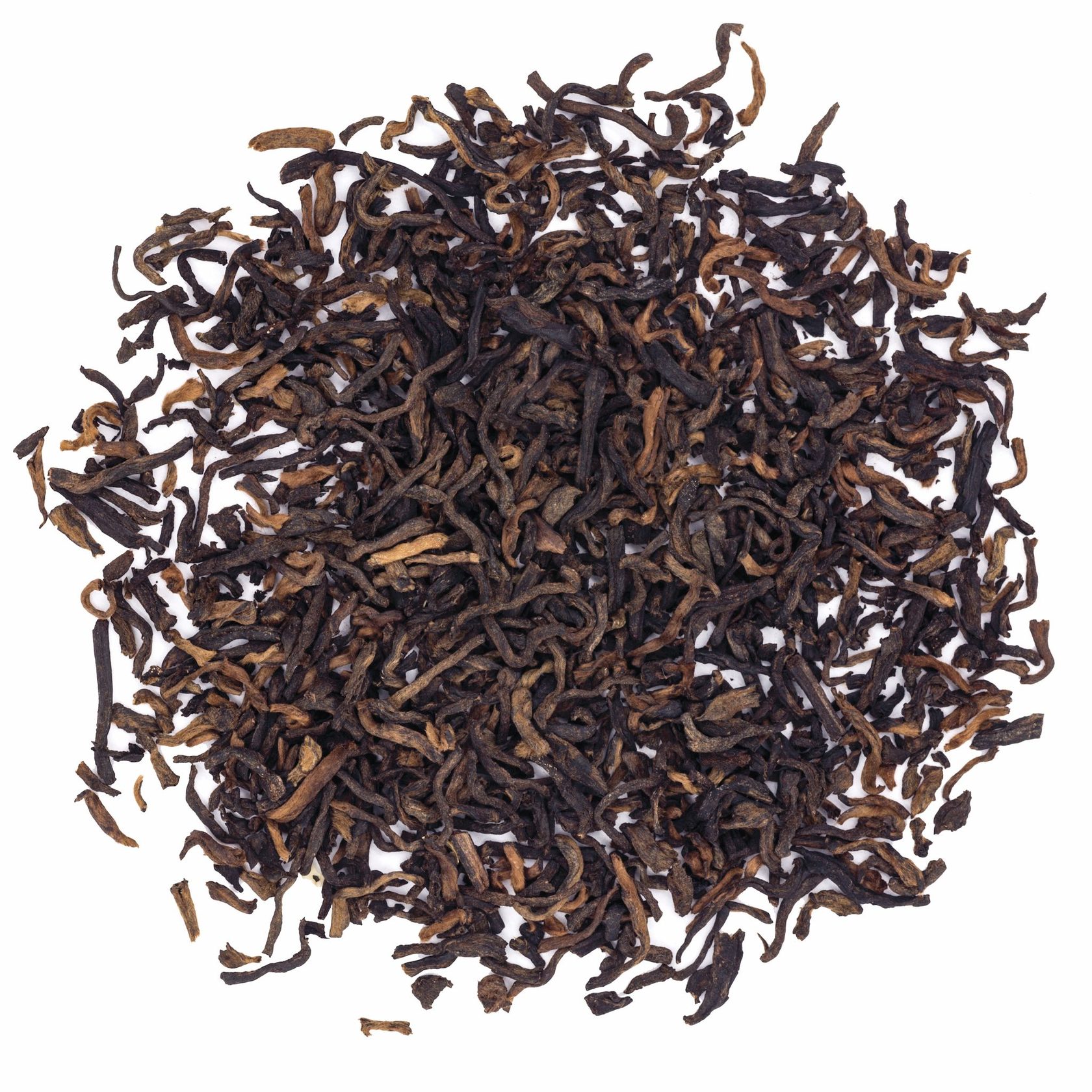
Four mornings, four teas, one continuous silence
The retreat begins on the afternoon of 4 October 2026 at a stone guesthouse below Mount Kazbek, three hours north of Tbilisi. Arrival is staggered between 14:00 and 17:00. You hand over your phone, receive a numbered cloth pouch for it, and from that moment until breakfast on day four the only spoken voice in the room belongs to Amgalan Chin, who leads the gongfu sessions and the closing circle. Everything else — meals, walks, brewing in your own room — happens in silence.
Day one, the settling day, opens with a 2010 Shēng Pǔ’ěr (生普洱) from Yiwu, brewed in a shared session at 18:00. Amgalan pours seven steepings into small porcelain cups arranged in a single line on the long wooden table. No one speaks. You taste, you sit, you write in the notebook you were given at intake. After dinner there is a forty-minute yoga nidra on bolsters, then lights out by 21:30.
Day two is the first full day and the longest. Dawn prānāyāma on the upper terrace at 06:15 — twelve rounds of nāḍī śodhana, then kapālabhāti in three sets of forty. The morning tea is a 2008 Wò Duī (渥堆) shou pu-erh from Menghai, brewed warm and slow as the sun comes over the ridge. After a vegetarian breakfast you have four open hours: a marked walking loop through the birch forest, library access (no fiction, only tea and yoga texts in Russian, English and Georgian), or solo brewing in your room with the kettle provided. Afternoon brings a restorative practice — long supported supta baddha konāsana, legs up the wall, twenty minutes of stillness — followed by a 1998 Liubao from Guangxi, the densest tea of the four.
Day three softens. Amgalan introduces a 2003 aged white from Fuding, a tea that has lost almost all of its grassiness and now drinks like dried apricot and old wood. The morning practice is gentler — only six rounds of breath, then a slow yin sequence held five minutes per side. Lunch is followed by an optional silent hike toward the Gergeti trinity church; about half the group goes, the rest sleep. The evening session is the longest gongfu of the retreat, fourteen steepings, lasting nearly two hours.
Day four breaks silence at 09:00 over breakfast. You can speak, but most people don’t, not at first. There is one final tea — a young Mí Lán Xiāng (蜜兰香) Phoenix oolong from Guangdong, chosen by Chen Hui Yi from the Teamotea cellar specifically to mark re-entry. Then a closing circle, phones returned, transfer back to Tbilisi by 14:00.
The arc is intentional. Heavy aged teas on days one through three settle the nervous system; the bright oolong on day four returns you to the world. The silence does the rest. Practitioners who have completed prior cohorts through tea.community and tea.school often describe the third evening as the moment the retreat actually begins — when the body finally stops waiting to talk.
What you get
-
Four shared gongfu sessions with Amgalan Chin, each built around a single aged Chinese tea from the Teamotea reserve cellar (2003–2010 vintages)
-
Twice-daily practice — dawn prānāyāma on the terrace, dusk restoratives or yoga nidra indoors — suitable for intermediate practitioners
-
Three vegetarian meals per day prepared by a local Khevsureti cook, plus continuous access to spring water, plain rice congee and a small kettle in each room
-
A private or shared room in the stone guesthouse, linen and wool blankets, wood stove heating for the cold October nights
-
Intake notebook, brewing pouch with three porcelain cups, and a take-home 25 g sample of the closing Phoenix oolong
-
Transfer from Tbilisi central meeting point to Kazbegi and back, included in the price
-
Twelve-month follow-up access to the post-retreat journal on tea.community, where alumni continue silent correspondence with the cohort
Practical details
-
Location — Stone guesthouse in Stepantsminda (Kazbegi), Mtskheta-Mtianeti region, Georgia. 1,740 m elevation. Transfer departs from central Tbilisi at 11:00 on 4 October.
-
Dress — Loose layers for practice, warm wool for the terrace at dawn (4–8 °C), one set of indoor slippers. No branded athletic wear requested but not enforced.
-
Food — Three vegetarian sāttvic meals daily, no garlic or onion, no alcohol on premises. Vegan and gluten-free accommodated with notice. Tea is brewed at meal times in addition to formal sessions.
-
Accessibility — Two ground-floor rooms available for limited mobility. The dawn terrace requires one flight of stone stairs; an indoor practice room is offered as alternative.
-
Language — Instruction in English and Russian. Written materials in both. Georgian-speaking host on site for logistics. Silence renders this largely moot after day one.
-
Kit included — Bolster, two blankets, eye pillow, brewing set and notebook provided. Bring your own mat if you prefer a familiar one — otherwise a Manduka is in each room.
-
Weather note — Early October in Kazbegi is cold and clear, with first snow possible above 2,500 m. Daytime 10–14 °C, night 2–6 °C. Sturdy shoes essential for the optional hike.